


When the Chemicals Wear Off, Can the Plants Hold On?
Insight
When the Chemicals Wear Off, Can the Plants Hold On?
When orchid plants leave the greenhouse, they all look healthy. The real test often begins after the container doors close.
In transit, there is no light and only limited airflow. At the port, the plants still have to wait for inspection and a quarantine observation period. If something goes wrong during this time, there is no way to adjust watering or reapply treatments the way growers can on the farm.
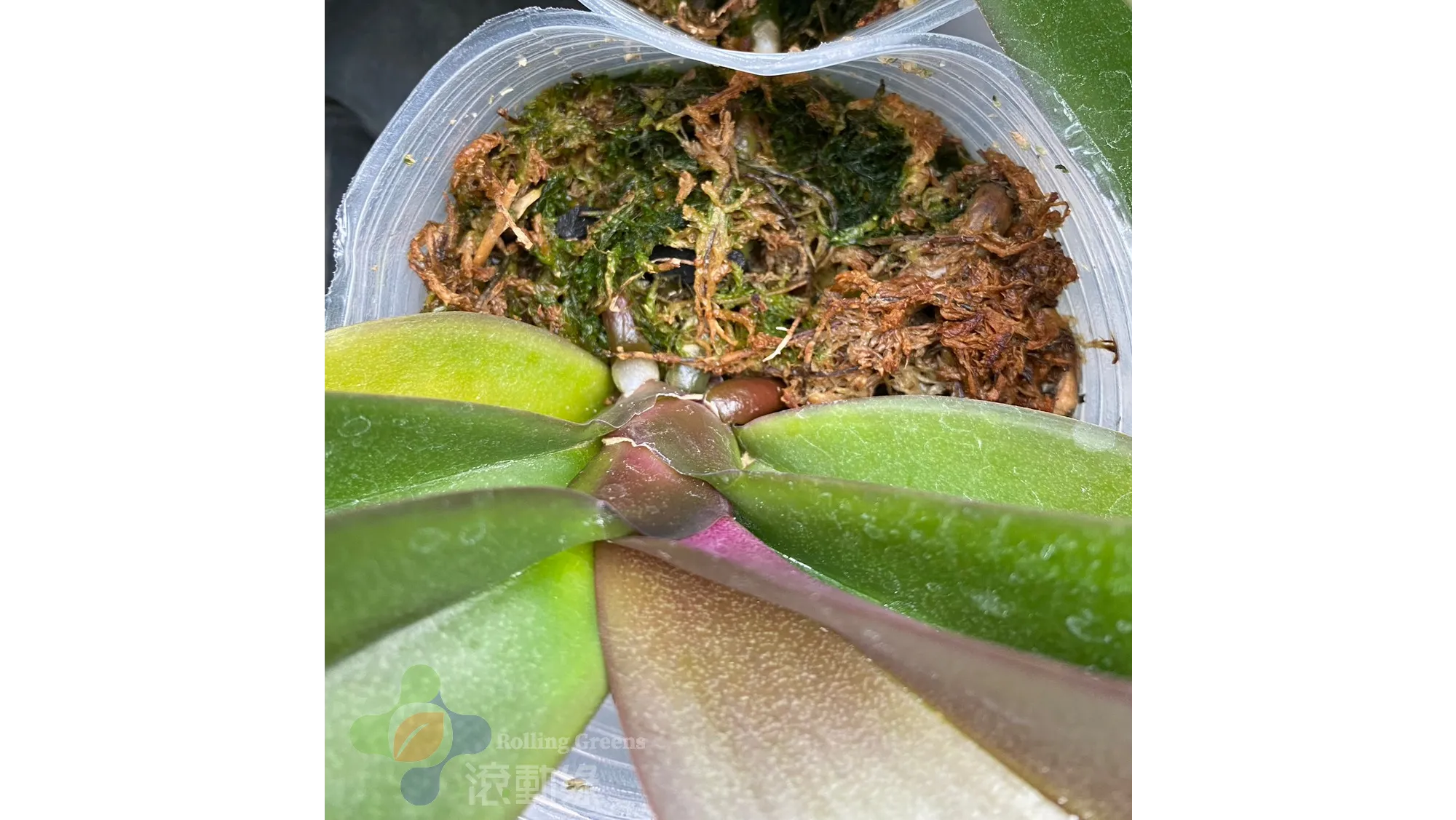
What One Nursery Told Us
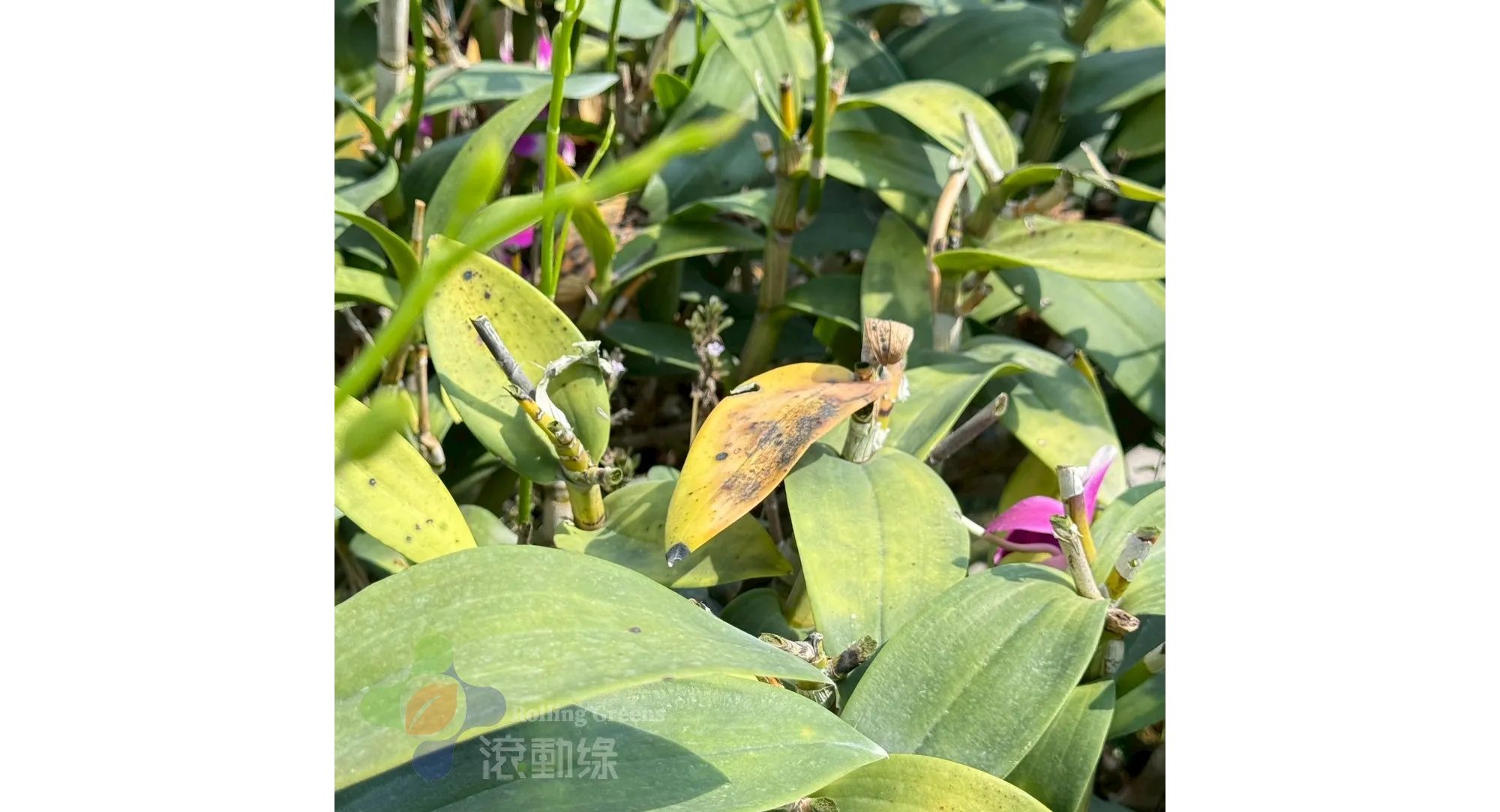
Treatments Have an Expiry Date
Take Care of the Roots, and the Risk Stays Behind
Treating before shipment deals with the disease at hand. Building strong roots and a stable root zone from deflasking through repotting and spiking prepares the plants for the period after shipment, when no one can look after them.
Microbial inputs can be part of this management. From establishing the root zone after deflasking to maintaining it through repotting and spiking, the aim is to keep root stress low. Stable roots open the door to relying less on chemical treatments, and give plants more margin to get through the journey after those treatments wear off. The nursery above saw fewer outbreaks in transit and after arrival while reducing its chemical use. Their approach was to put the effort in early, while the plants could still be cared for every day, and get the roots right first.
How plants look when they leave the greenhouse matters. How they look when they reach the buyer is what counts. Whether they hold their condition from packing to unpacking depends, in part, on the roots no one usually sees.
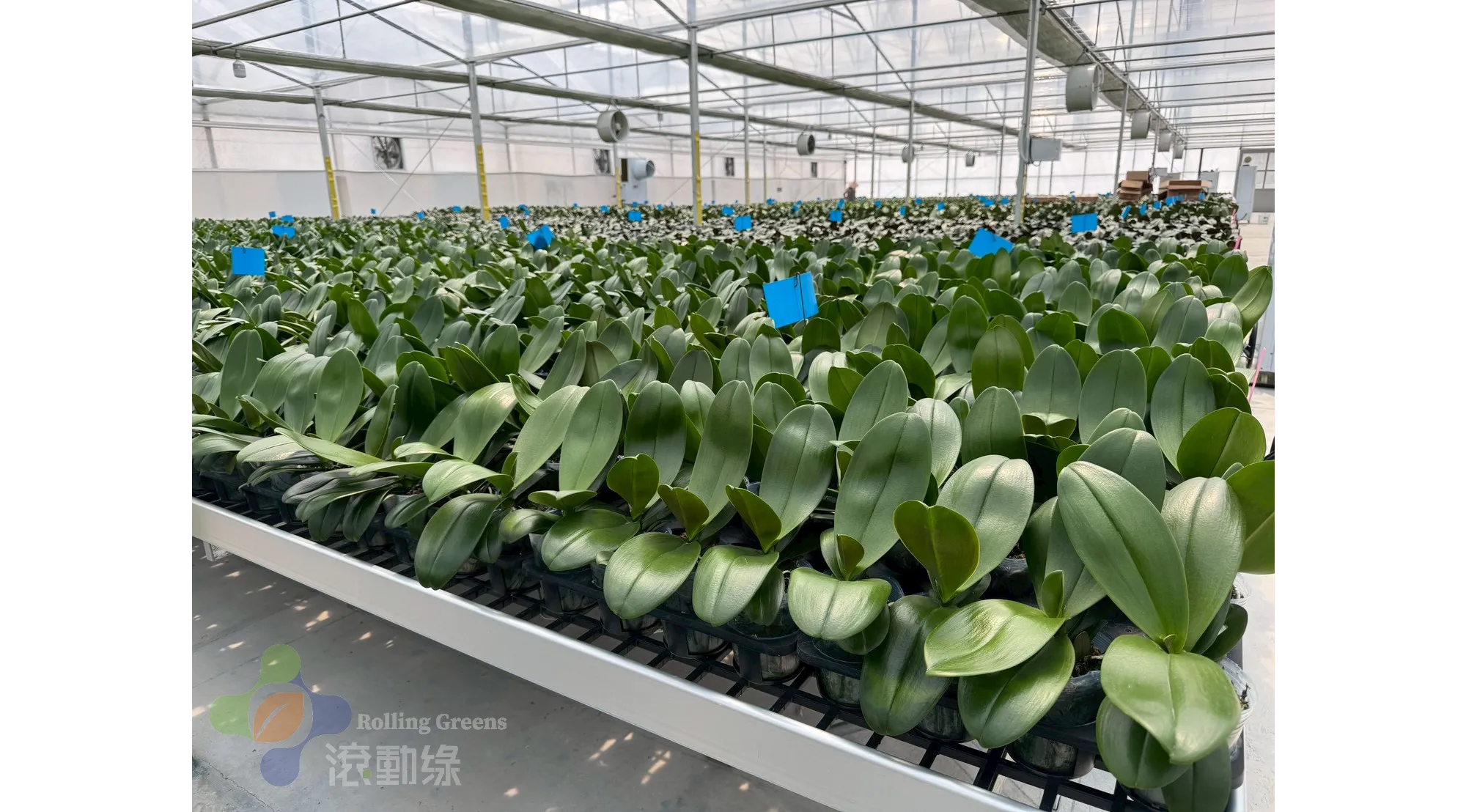
Related articles
NOTICE
What Is Bacillus? Understanding Its Benefits for Soil and Plant Growth
From soil nutrients and the rhizosphere to plant growth, discover a group of beneficial microorganisms receiving growing attention in agriculture.
NOTICE
How Are Microbial Inputs Different from Fertilizers/ Pesticides?
Understanding their definition, how they work, and the global market

NOTICE
Microbes Aren't Fertilizer—So What Do They Actually Do in the Soil?
From the rhizosphere and nutrient cycling to everyday crop management, here’s how agricultural microbial products fit into a modern growing system.
NOTICE
Disease Is the Outcome, Not the Cause
Reading root-zone stress in Phalaenopsis through EC, and why sphagnum makes it so hard to manage
NOTICE
The Day They Leave the Flask: Who Claims the Root Zone First?
How the rhizosphere microbiome begins to form as Phalaenopsis seedlings are deflasked and acclimatized