


What Is Bacillus? Understanding Its Benefits for Soil and Plant Growth
From soil nutrients and the rhizosphere to plant growth, discover a group of beneficial microorganisms receiving growing attention in agriculture.
When we talk about soil microorganisms, we know that they participate in nutrient cycling and are closely connected to the environment in which plant roots grow.
However, soils contain a tremendous diversity of microorganisms, and not all of them perform the same functions.
Among them, one group has attracted considerable attention in agricultural research and practical applications: the genus Bacillus.
Why is Bacillus so frequently studied in agricultural microbiology? And how does it interact with soil and plant roots?
What Is Bacillus, and Why Is It Suitable for Agricultural Applications?
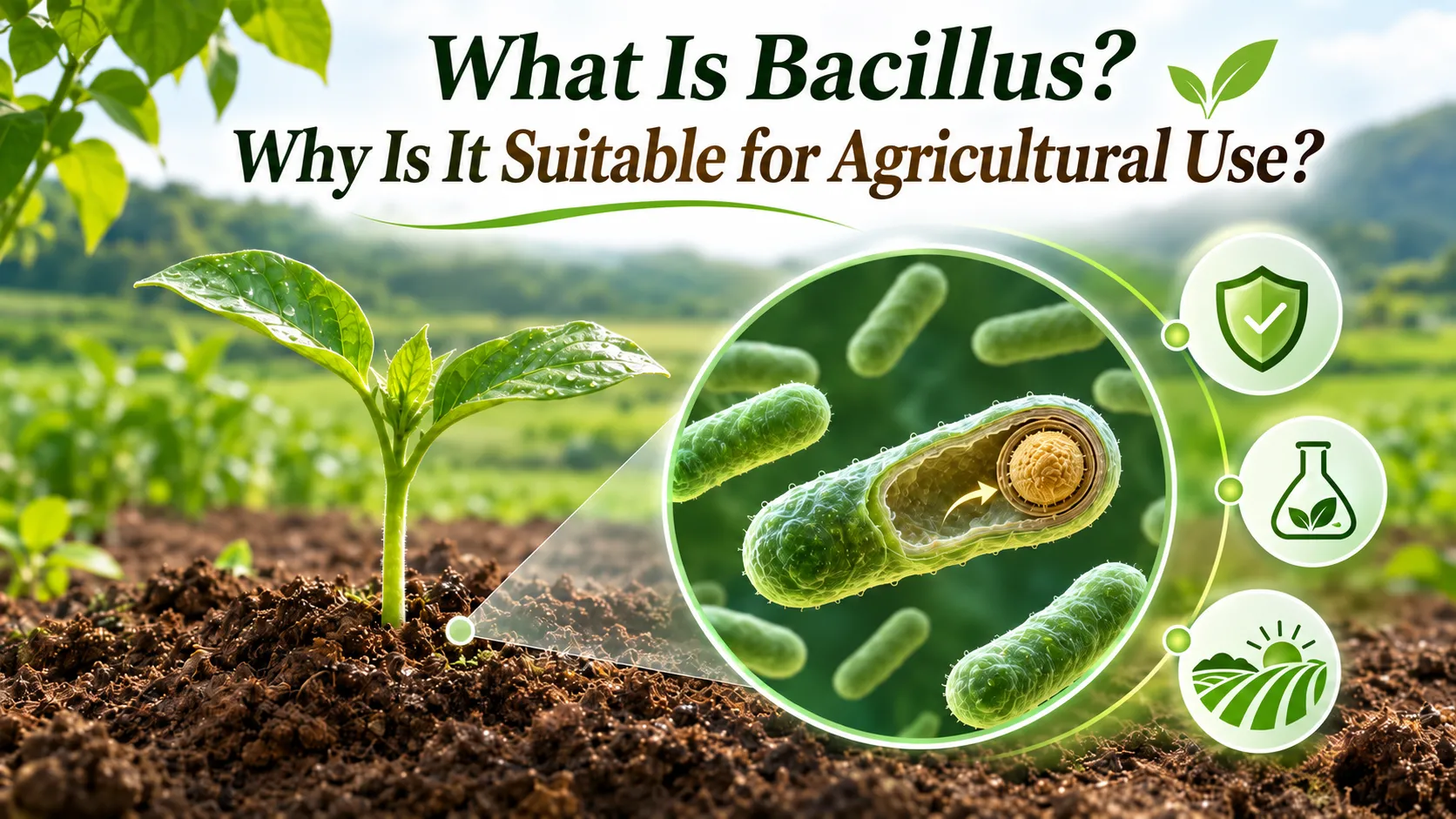
Bacillus is a group of bacteria widely found in natural environments, including soil, plant roots, and many other habitats.
One reason these bacteria attract interest is that some Bacillus species can form endospores.
Under unfavorable conditions, such as drought or nutrient scarcity, these bacteria can form highly resistant endospores and enter a dormant state. When conditions become favorable again, the spores may germinate and the bacteria can resume normal physiological activity.
This characteristic gives some Bacillus strains practical advantages in the production, storage, and transportation of microbial formulations.
Yet their importance to agriculture goes beyond environmental resilience. Some strains can also interact with plant roots, participate in nutrient transformation, and influence plant growth.
How Can Bacillus Benefit Soil?
Soil is more than a medium that supports plants. It is a dynamic environment in which biological and chemical reactions continuously take place.
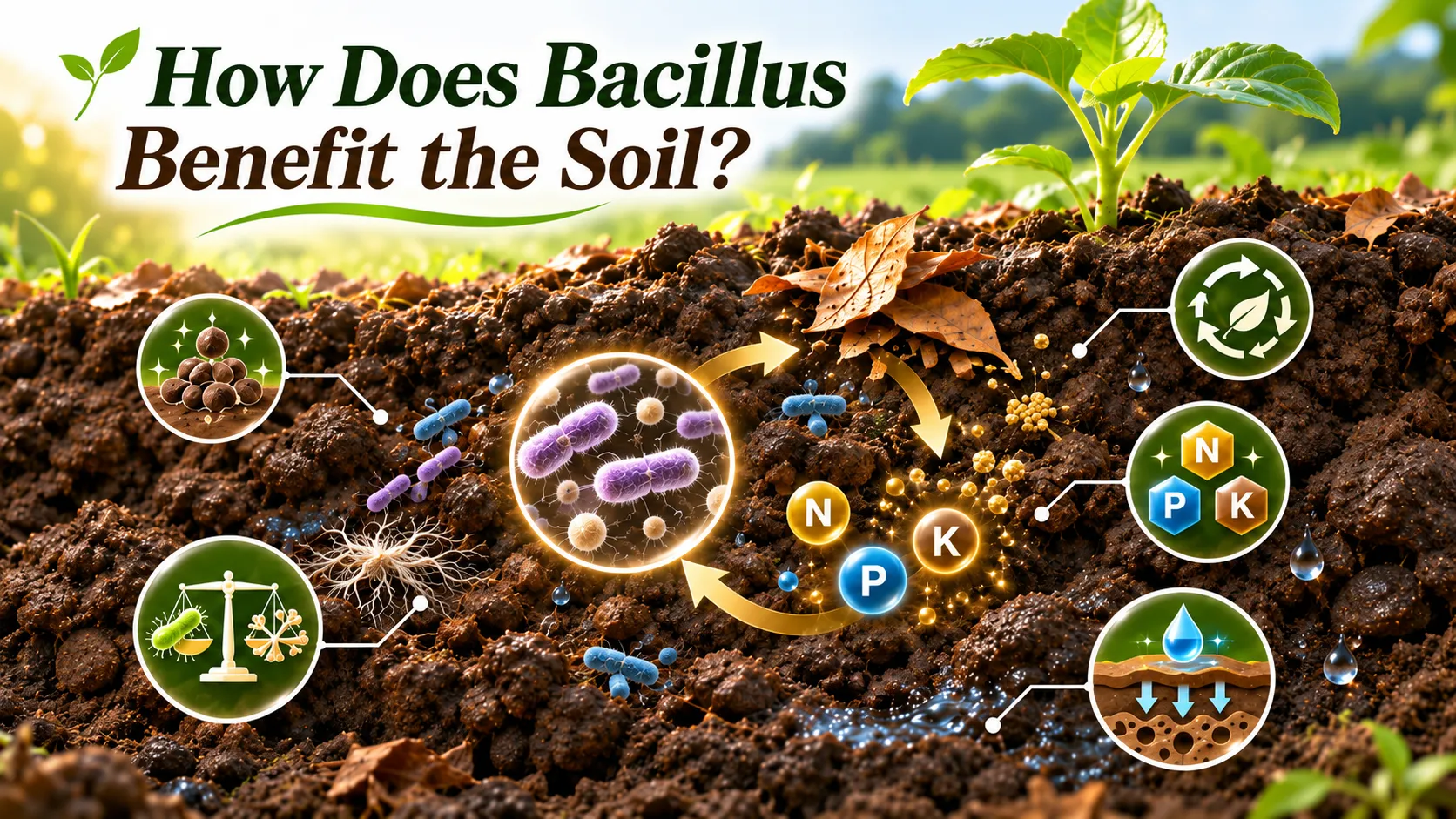
Even when soil contains essential nutrients, those nutrients are not necessarily available for immediate uptake by plant roots.
For example, some of the phosphorus in soil may bind with other elements, forming compounds that plants cannot readily use.
Studies have found that certain plant-growth-promoting Bacillus strains can produce organic acids or other metabolites that help dissolve poorly soluble phosphorus compounds, potentially increasing phosphorus availability under specific conditions.
Some strains can also produce extracellular polysaccharides, form biofilms, or take part in organic matter decomposition, potentially influencing the rhizosphere microenvironment and interactions among microorganisms.
These activities show that the role of microorganisms in agriculture is not simply to increase microbial populations in soil. They also participate in the transformation and cycling of resources already present.
However, these functions vary with the strain, soil conditions, and cultivation practices. Not all Bacillus strains possess the same capabilities.
How Does Bacillus Interact with Plant Roots?
Plant roots do not grow in isolation in the soil.
Roots release sugars, organic acids, and other compounds into their surroundings. These root exudates can also influence the activity of nearby microorganisms.
The zone influenced by plant roots is known as the rhizosphere, which we introduced in our previous article.
Under suitable conditions, some Bacillus strains can attach to root surfaces and establish interactions with plants.
Research suggests that certain Bacillus strains may produce plant-growth-related compounds, such as indole-3-acetic acid (IAA), that influence root development and growth responses.
In agricultural production, roots do much more than anchor plants in the soil.
Roots are also the main pathway through which plants obtain water and nutrients.
With a well-developed root system, plants can explore a greater volume of soil or growing media, potentially supporting growth above ground.
That is why root development is an important indicator when evaluating agricultural microbial applications, alongside leaf size, plant height, and yield.
Can Bacillus Help Crops Grow Better?
This may be the question growers care about most.
Existing research indicates that some plant-growth-promoting Bacillus strains have demonstrated the potential to enhance growth in trials involving different crops.
These effects may result from several mechanisms working together, including regulation of root development, improved nutrient availability, and interactions between plants and rhizosphere microorganisms.
However, microbial products are not a universal solution that guarantees faster plant growth after application.
Even when the same microorganism is used, crop species, soil conditions, temperature, water availability, and nutrient management can all influence the outcome.
In other words, The agricultural value of a microorganism depends not only on the functions it possesses, but also on whether those functions can be expressed under real growing conditions.
For this reason, agricultural applications should not be evaluated on laboratory findings alone. Field or cultivation trials are also needed to determine whether a microorganism can deliver consistent, reproducible improvements in crop growth, quality, and yield.
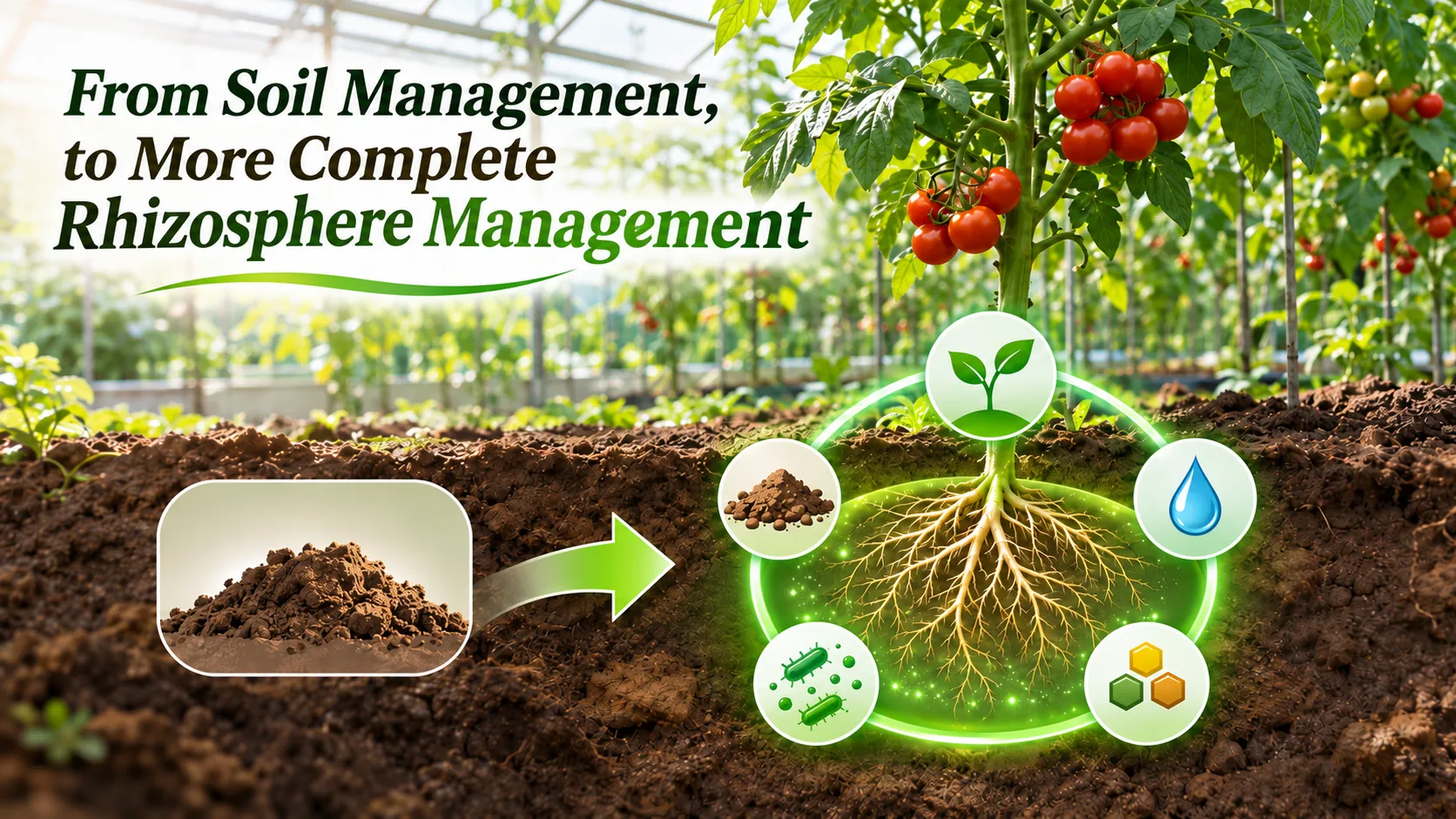
From Soil Management to a More Comprehensive Approach to Rhizosphere Management
Traditionally, crop management has focused on whether enough fertilizer is applied, whether water supply is appropriate, and whether environmental conditions meet plant requirements.
As agricultural microbiology advances, another important factor is receiving greater attention: the relationship between plant roots and the microorganisms around them.
Bacillus is one group of microorganisms worth exploring in this context.
From nutrient transformation and rhizosphere interactions to the growth-promoting effects of certain strains, these capabilities invite us to rethink the potential role of microorganisms in agricultural management.
However, beneficial microorganisms are not intended to replace fertilizers, and adding more microorganisms does not necessarily translate into higher yields.
What matters is integrating appropriate microbial technologies with existing soil, nutrient, and crop management practices.
Agricultural management should focus not only on how many resources we provide to plants, but also on how effectively plants can use those resources.
This is the direction that makes agricultural microbial technology worth continuing to explore.
Further Reading | Explore More About Agricultural Microorganisms
From understanding microbial products to discovering how microorganisms function in soil.
Related articles
NOTICE
How Are Microbial Inputs Different from Fertilizers/ Pesticides?
Understanding their definition, how they work, and the global market

NOTICE
Microbes Aren't Fertilizer—So What Do They Actually Do in the Soil?
From the rhizosphere and nutrient cycling to everyday crop management, here’s how agricultural microbial products fit into a modern growing system.
NOTICE
When the Chemicals Wear Off, Can the Plants Hold On?
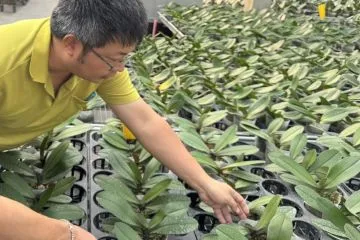
When orchid plants leave the greenhouse, they all look healthy. The real test often begins after the container doors close.
NOTICE
Disease Is the Outcome, Not the Cause
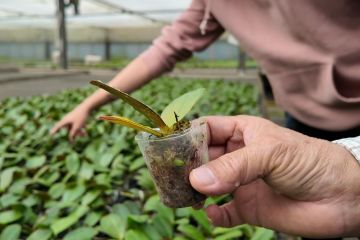
Reading root-zone stress in Phalaenopsis through EC, and why sphagnum makes it so hard to manage

NOTICE
The Day They Leave the Flask: Who Claims the Root Zone First?
How the rhizosphere microbiome begins to form as Phalaenopsis seedlings are deflasked and acclimatized