


The Day They Leave the Flask: Who Claims the Root Zone First?
The Day They Leave the Flask: Who Claims the Root Zone First?
How the rhizosphere microbiome begins to form as Phalaenopsis seedlings are deflasked and acclimatized
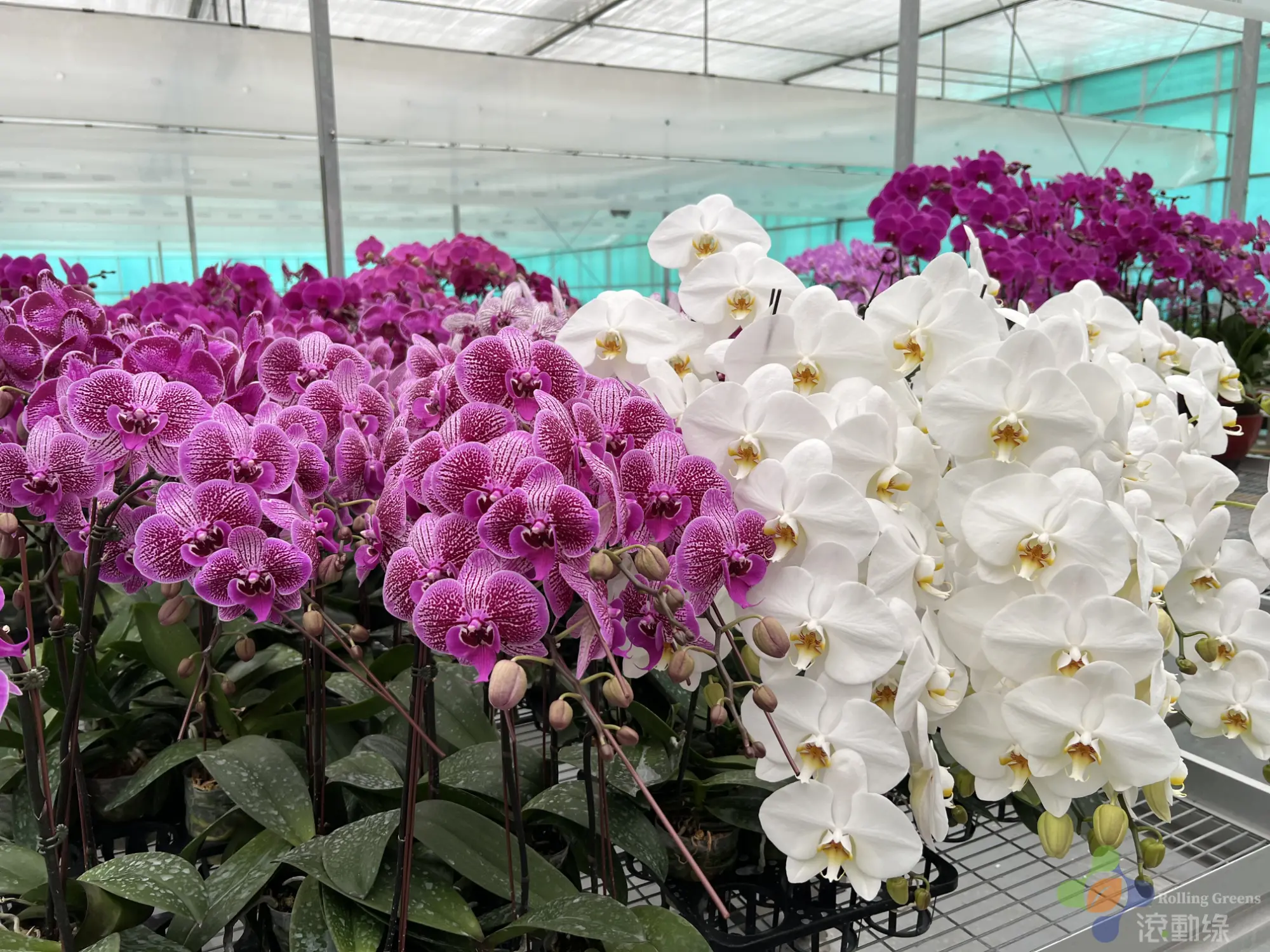
Life Begins with a Fungus
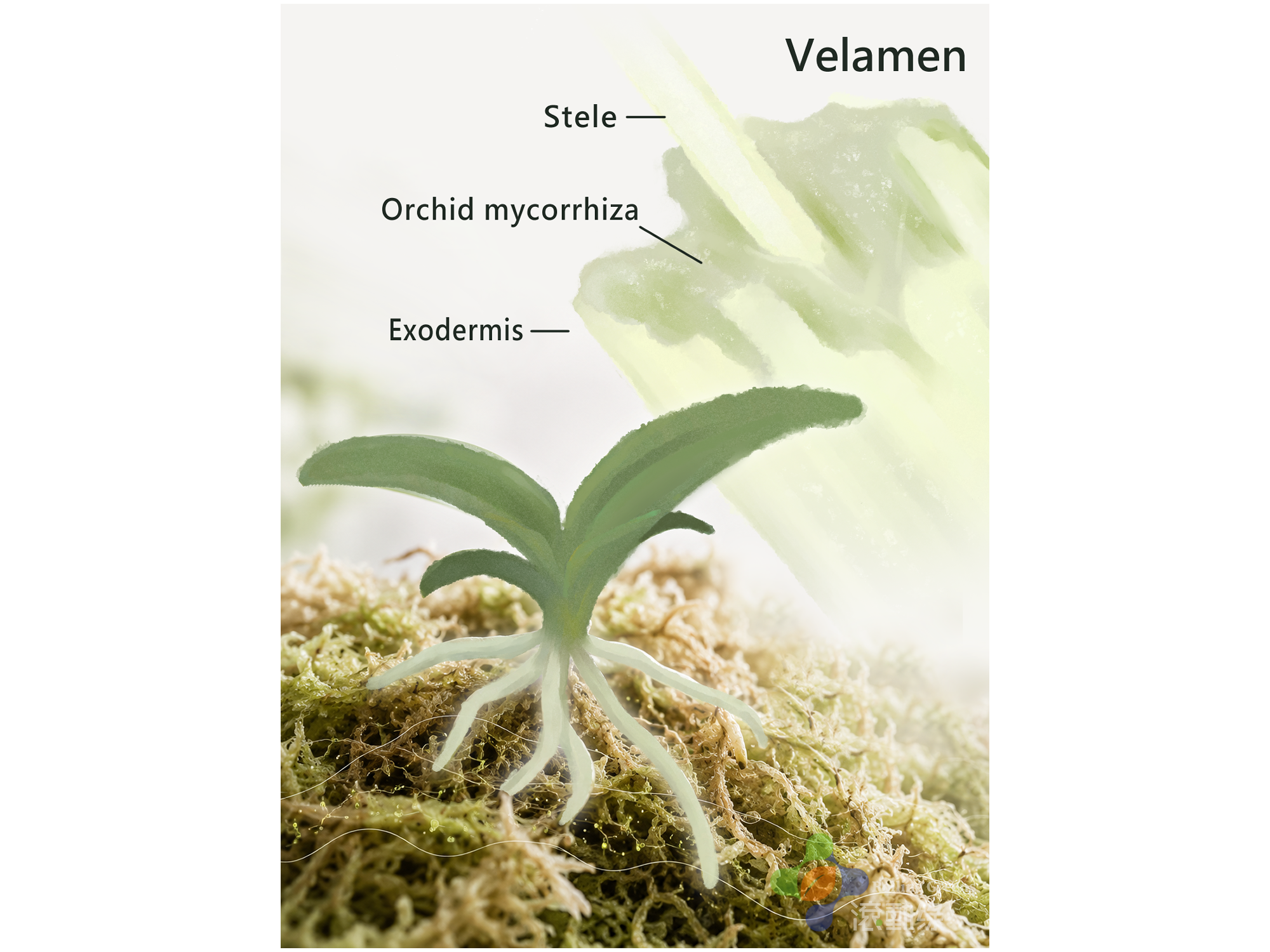
Orchid seeds are tiny and carry almost no stored nutrients. In nature, most orchid seeds must meet a compatible mycorrhizal fungus to obtain the carbon and minerals they need to germinate. For wild orchids, the fungus is often the precondition for life itself.
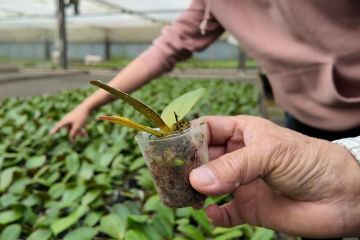
Commercial Phalaenopsis bypass this relationship. They are mass-propagated through tissue culture, spending a year or more on sugar-based media in sealed containers. The roots of a flask seedling have not yet formed a mature, complex rhizosphere community: niches remain open, and the competition and checks among microbes have not yet been established. A system like this is especially sensitive to whichever microbes arrive first.
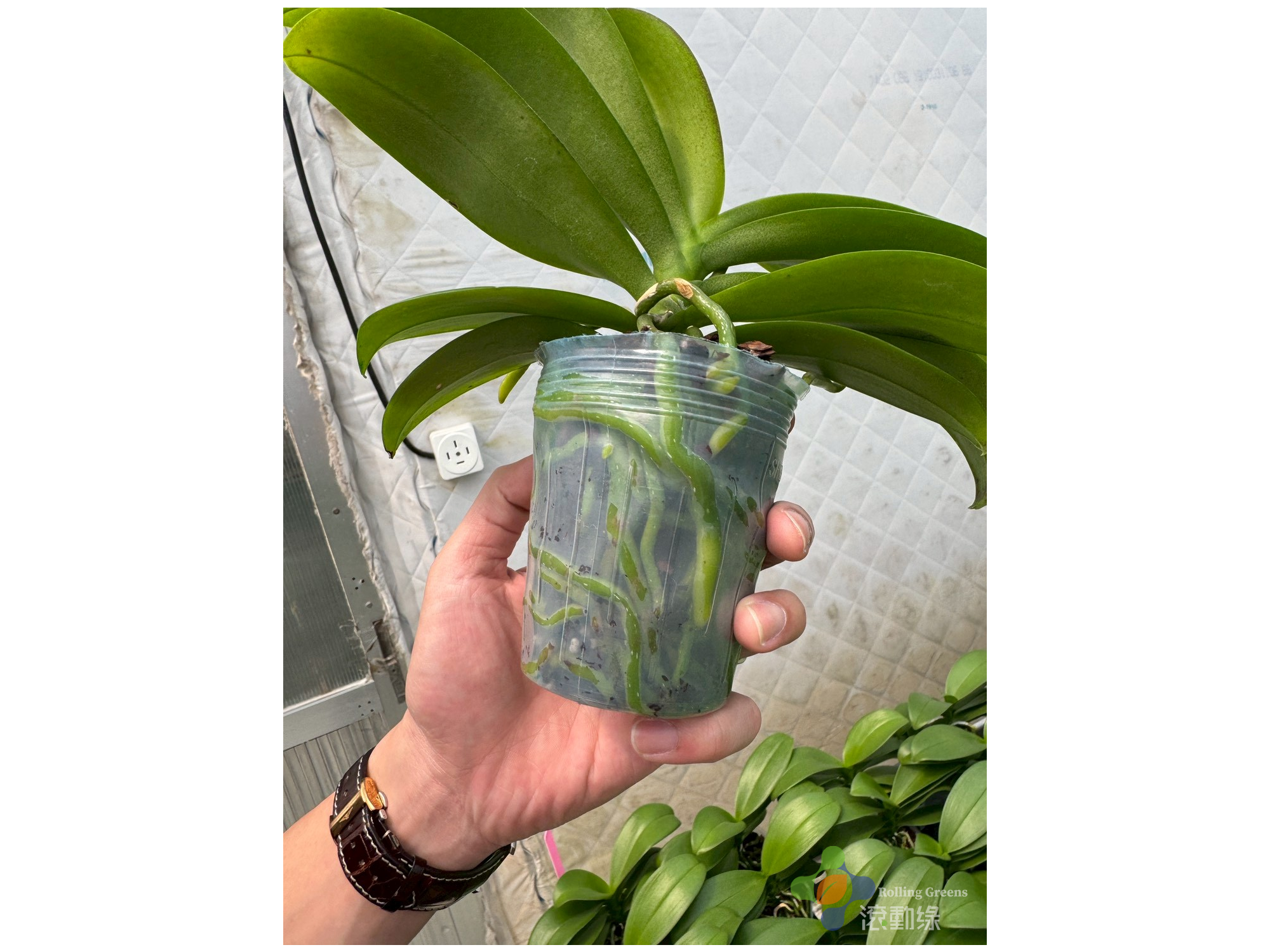
Two Acclimatizations, One Window
After deflasking, growers start seedlings at high humidity and gradually increase airflow and light, helping plants adapted to life in the flask adjust to the greenhouse. This acclimatization is one that nurseries already manage well.
But at the same time, a second acclimatization is under way in the root zone. As irrigation and fertilization enter the pot, microbes begin to gain access to water, attachment sites and nutrients.
One is the physiological acclimatization of the plant. The other is the assembly of the root-zone community. They share the same window, and early colonization shapes how that community develops.
Who Arrives First Matters
The makeup of a microbial community depends not only on its environment but also on the order in which species arrive, a phenomenon known as the priority effect. Populations that establish early can claim space and resources first, and may even alter local pH and oxygen conditions, so that latecomers face a habitat that has already been rewritten.
What arrives first at potting depends on whatever happens to be present at that moment. We set the field and the rules, yet rarely manage who takes the field first.
The question is not whether microbes are present, but which ones establish first, how the community develops afterward, and what functions it ultimately performs.
What This Means for Orchid Nurseries
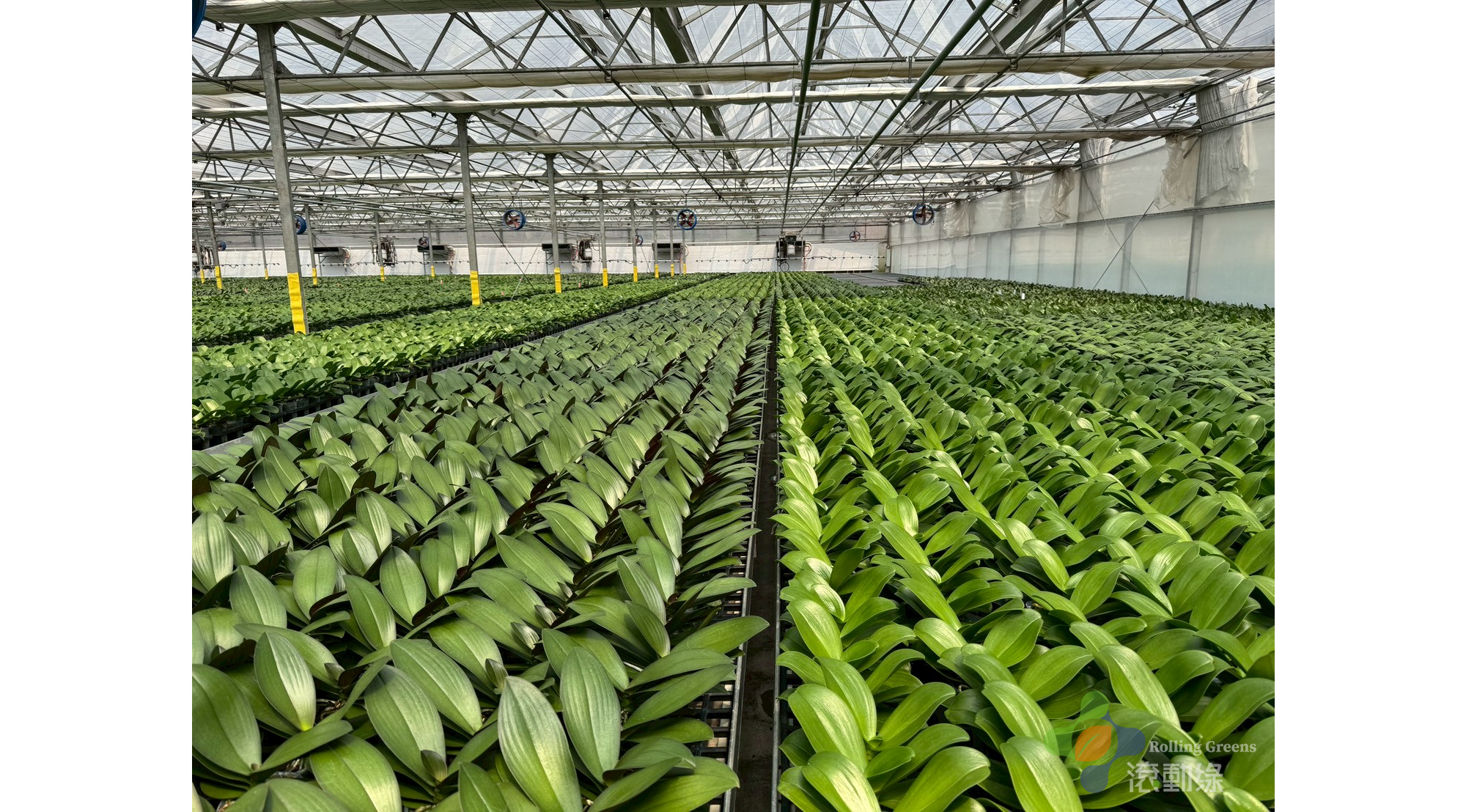
In the weeks after deflasking, growers manage humidity, light and airflow, while the root-zone community is assembling just as quickly. Losses in this period are costly: every deflasked seedling already carries more than a year of tissue-culture investment; uneven root establishment widens grade differences and can mean missing holiday and export windows; and when problems spread through a high-density greenhouse, losses are often counted by the batch.
This is exactly when beneficial microbes can make a difference. If selected beneficial microbes are allowed to establish first at deflasking and repotting, the points where the community reopens, nurseries can benefit in two ways:
Production optimization | Helps moderate salt accumulation and EC fluctuation in sphagnum, keeping the root-zone environment more consistent and supporting more uniform growth across a batch.
Risk management | Establishes a stable microbial community early, so open niches are less likely to be filled by chance arrivals, and the root zone stays more consistent through climatic and operational fluctuations.
Beneficial microbes do not replace existing management practices. Instead, they help keep production conditions within a stable, predictable range when fluctuations occur.
In other words, a root zone that stabilizes earlier affects more than a single survival-rate figure; it affects the predictability of the entire downstream production line.
Whether this early history truly shows up in production performance is something nurseries can test directly: keep a control group within a deflasking batch, follow it through the medium and large plant stages, and record loss rates, grade uniformity and root condition along the way.
We have built a city, yet rarely manage its first residents.
Note:
This article draws on research in orchid mycorrhizal biology, tissue-culture acclimatization and microbial community assembly to offer a management perspective. The extent to which the early root-zone community affects later production performance still requires direct tracking and verification in commercial Phalaenopsis–sphagnum systems.
Key references: Fukami, T. (2015). Annu. Rev. Ecol. Evol. Syst. 46: 1–23 | Debray, R. et al. (2022). Nat. Rev. Microbiol. 20: 109–121 | Chamara, R. M. S. R. et al. (2024). Diversity 16(4): 218
Related articles
NOTICE
Disease Is the Outcome, Not the Cause
Reading root-zone stress in Phalaenopsis through EC, and why sphagnum makes it so hard to manage