


Disease Is the Outcome, Not the Cause
Disease Is the Outcome, Not the Cause
Reading root-zone stress in Phalaenopsis through EC, and why sphagnum makes it so hard to manage
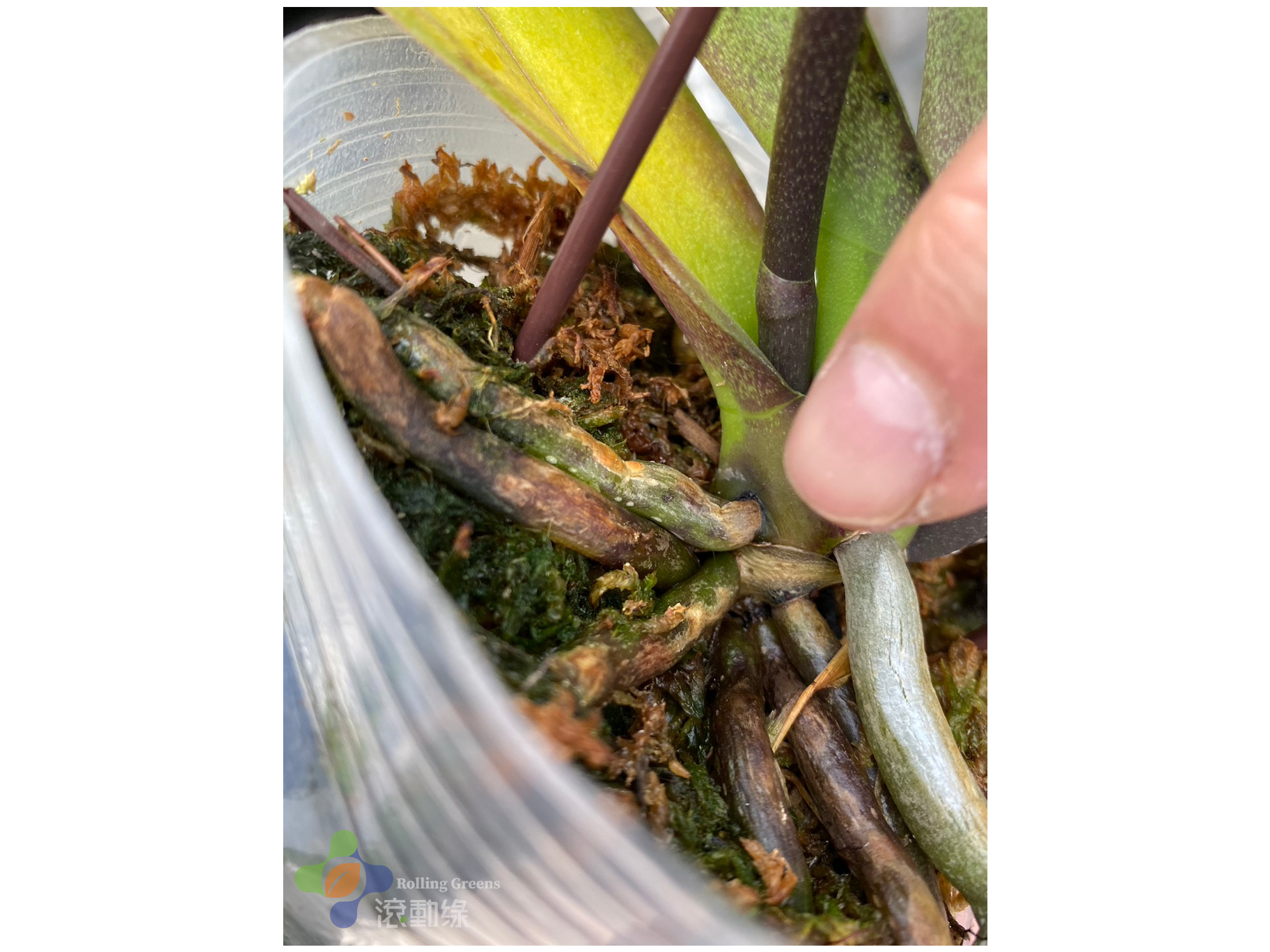
What Happens Before Disease Appears?
The day a nursery finds Fusarium, soft rot or black rot feels like a single event: a pathogen arrived, and an outbreak followed. But most of these organisms are already present in the environment, in irrigation water, in the air, in the substrate and in residue from the previous batch. They usually cause no losses not because they are absent, but because conditions do not allow it. By the time symptoms appear, a chain of changes has often been building for some time.
EC is one of the few windows that make this process visible. It is not a disease indicator, but it sits upstream on the root-stress pathway, and it can be measured and managed before symptoms appear.
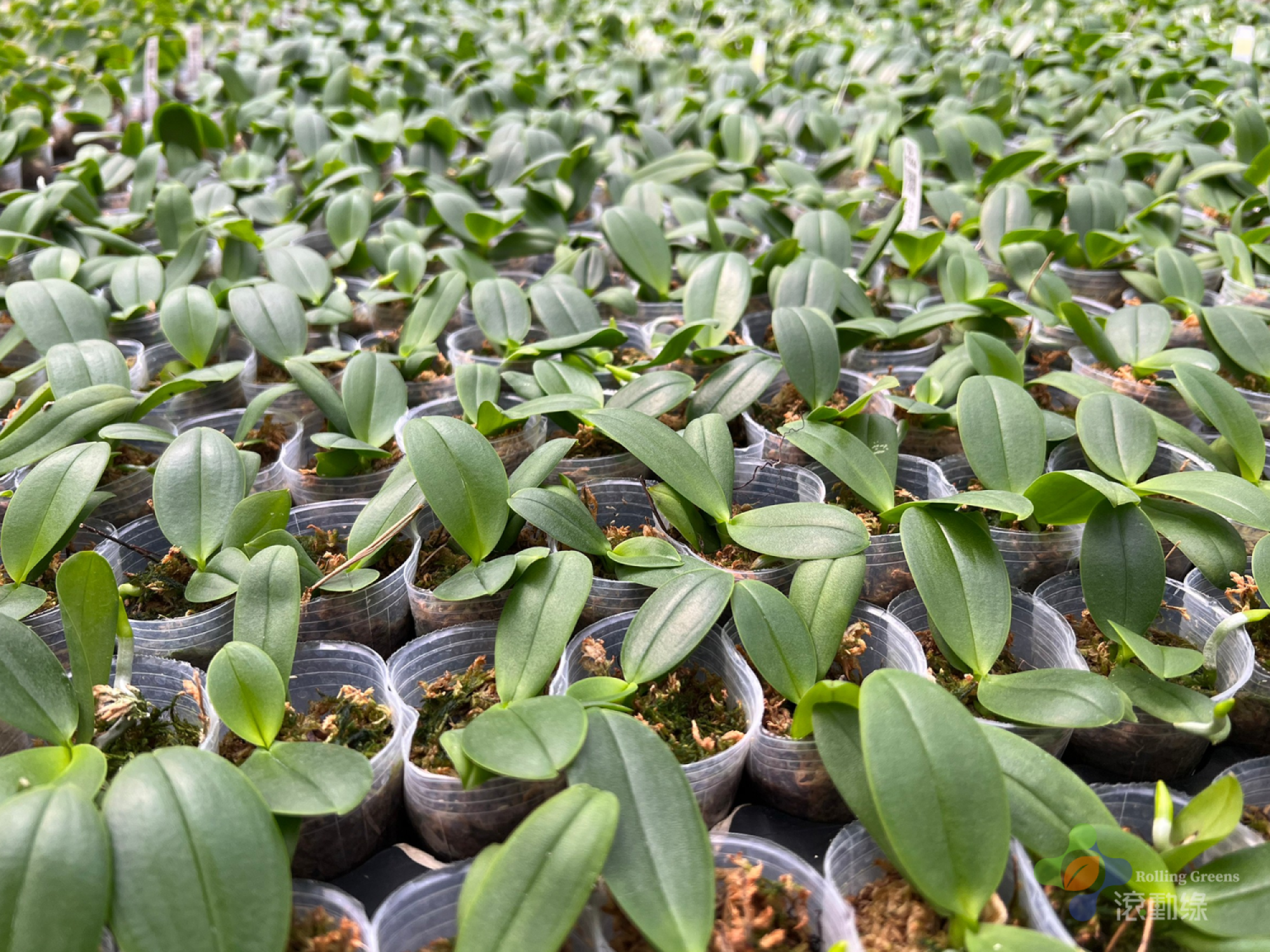
Growers Need Stable EC, Not Low EC
EC (electrical conductivity) measures the total amount of conductive ions in solution. In an orchid pot, it roughly reflects the soluble salts left behind after fertilization that have not yet been taken up or flushed out.
High EC means stress. As the substrate solution becomes more concentrated, roots find it harder to take up water, and in severe cases root tips turn brown. The root tip is the growing point; once it browns, that root stops elongating. Because Phalaenopsis is slow to produce new roots, the loss is measured not in days but in a season. The plant then enters the hardest state to diagnose: the substrate is wet, but the roots cannot draw water up, and the leaves begin to wrinkle. The instinct is to water more, yet that leaves the substrate wetter and less aerated without necessarily flushing out the accumulated salts, and the situation gets worse.
Low EC means underfeeding. The plants do not die; every batch simply grows a little slower, and that lost time adds up in greenhouse space efficiency. Low EC is also often the result of over-flushing out of fear of salt damage, which carries away nutrients that should have stayed.
What really matters is the middle. Roots adapt to a range, not a single number. Moving in and out of that range, from 1.8 today, down to 0.4 after watering, then back up to 2.0 after the next feeding, is a stress in itself.
The goal is not to push EC down, but to narrow the swings and cut off the dangerous peaks.
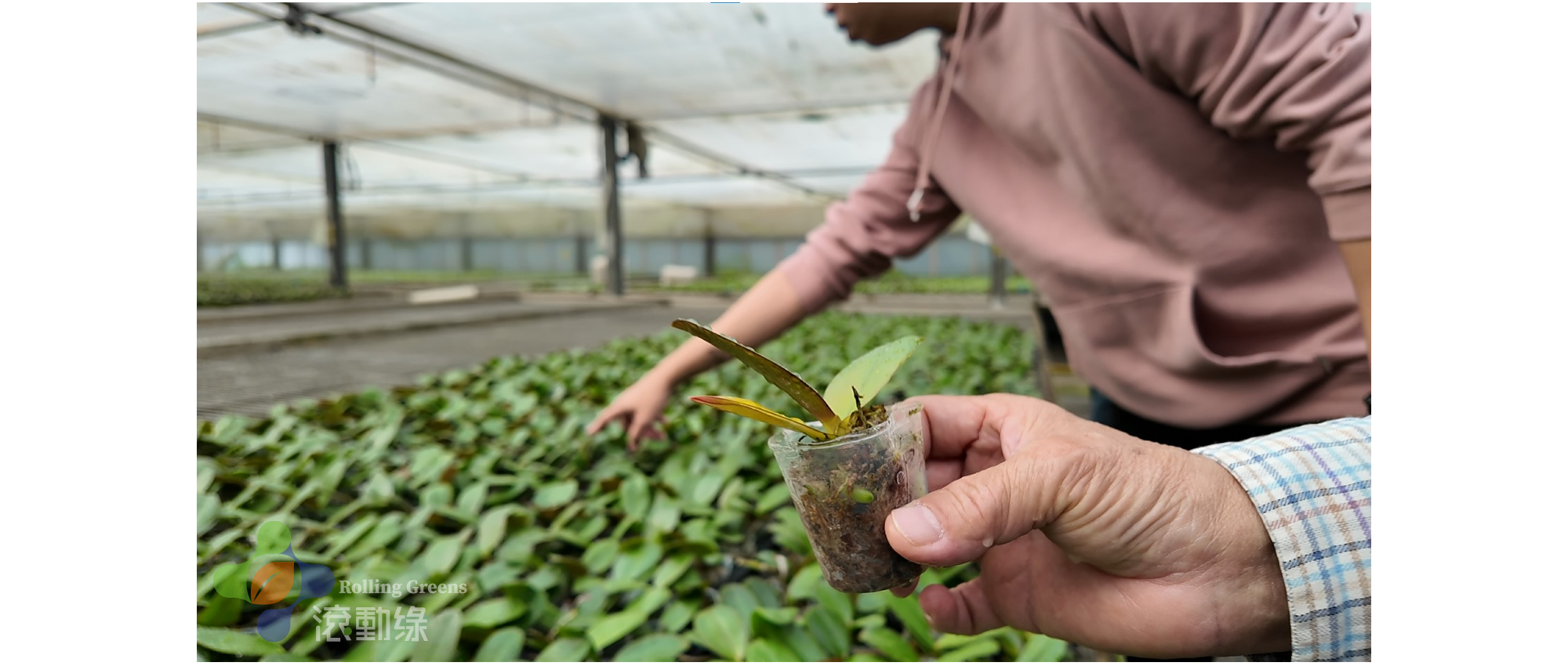
Why Sphagnum Makes EC Hard to Manage
Sphagnum is not an inert medium. The cell walls of Sphagnum moss carry abundant functional groups that bind cations, so calcium, magnesium, potassium and ammonium are adsorbed and temporarily leave the solution. As a result, the EC you measure is not the total ion content of the substrate. And adsorption is reversible: when the solution becomes more dilute, those ions are released again.
After fertilization, sphagnum takes up part of the ions and softens the peak; it then slowly releases them and raises the trough.
It is both a buffer and a reservoir, and a reservoir can fill up.
How EC Becomes a Disease Risk
Sustained high EC or repeated spikes → osmotic stress on roots → possible tissue damage → weakened defensive barrier → greater opportunity for some pathogens to establish infection
What This Means for Orchid Nurseries
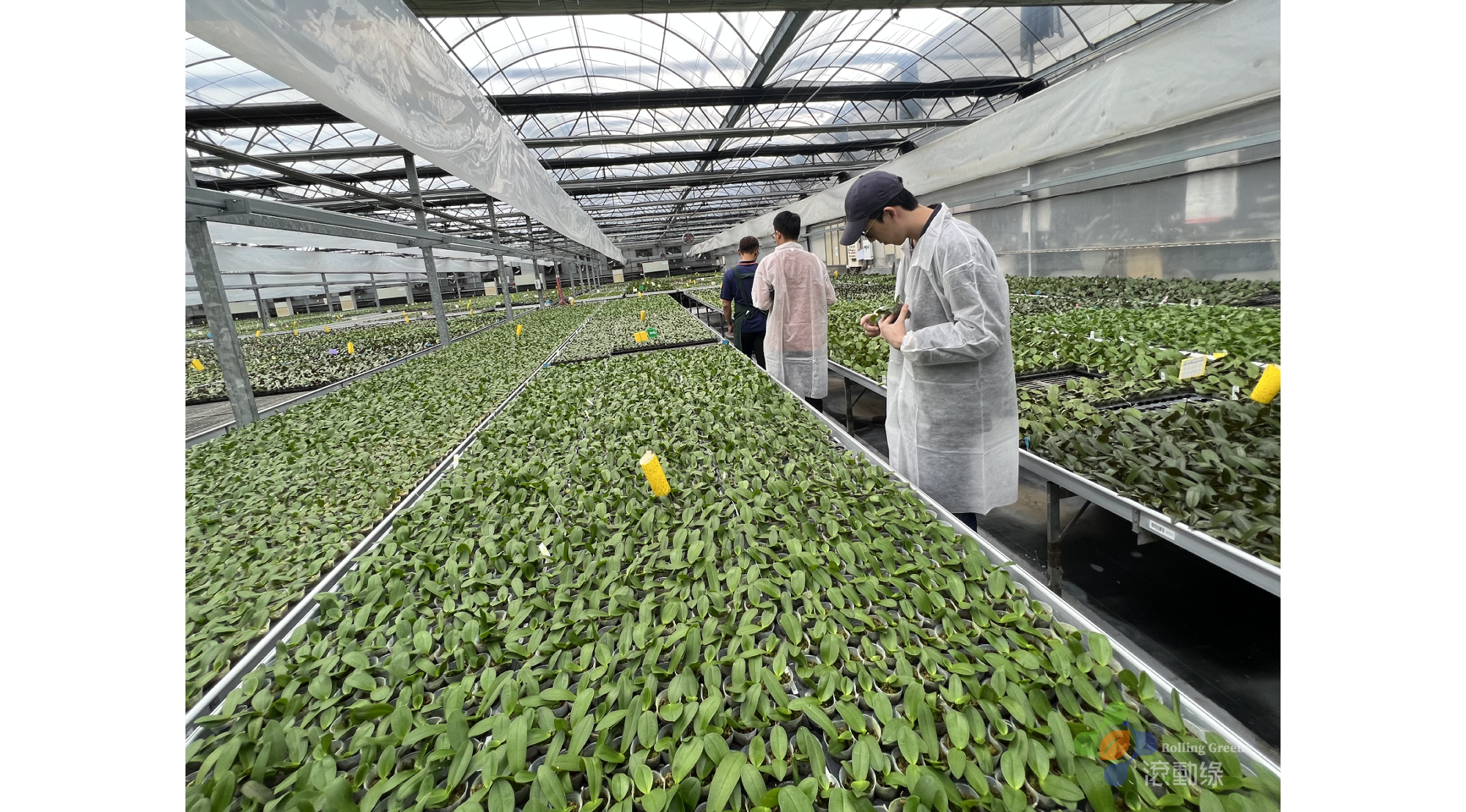
EC does not need to be measured every day, but it should always be measured under the same conditions: the same method, the same time of day and the same interval after watering or fertilization. Pay more attention to peaks than to averages. Remember, too, that you are measuring a point, not a whole pot; readings from a probe inserted into the substrate and from pour-through or squeezed solution cannot be compared with each other. What matters is the long-term trend using one consistent method.
When symptoms appear, ask not only "What should we apply now?" but also "What changed in the root zone over this cycle?" Changes in feeding, watering, temperature, substrate and EC are often closer to the real starting point than the day the disease appeared.
EC is not the answer to disease, but it lets us see problems forming earlier.
Further reading
Related articles
NOTICE
The Day They Leave the Flask: Who Claims the Root Zone First?
How the rhizosphere microbiome begins to form as Phalaenopsis seedlings are deflasked and acclimatized