
Go Top

DATE

2025-07-10

[RichFarm Academy] Discovering Phosphate-Solubilizing Bacteria
Share:

P-1-tw


Phosphate-Solubilizing Bacteria (PSB)

Phosphorus (P) is one of the key nutrients limiting plant growth. The amount of plant-available phosphorus in soil is relatively low because, in calcareous soils, most phosphorus tends to bind with calcium (Ca) and magnesium (Mg), while in acidic soils, it binds with iron (Fe) and aluminum (Al). This makes phosphorus less available to plants. Naturally occurring phosphate-solubilizing bacteria (PSB) can dissolve insoluble phosphorus compounds and release soluble phosphorus into the soil solution, where it can be absorbed by plant roots. By applying PSB, it is possible to reduce the use of chemical phosphorus fertilizers, improve the soil microbial community, and protect the soil environment—contributing to more sustainable agricultural practices.
 

P-2-tw


Main Mechanism of Action of PSB

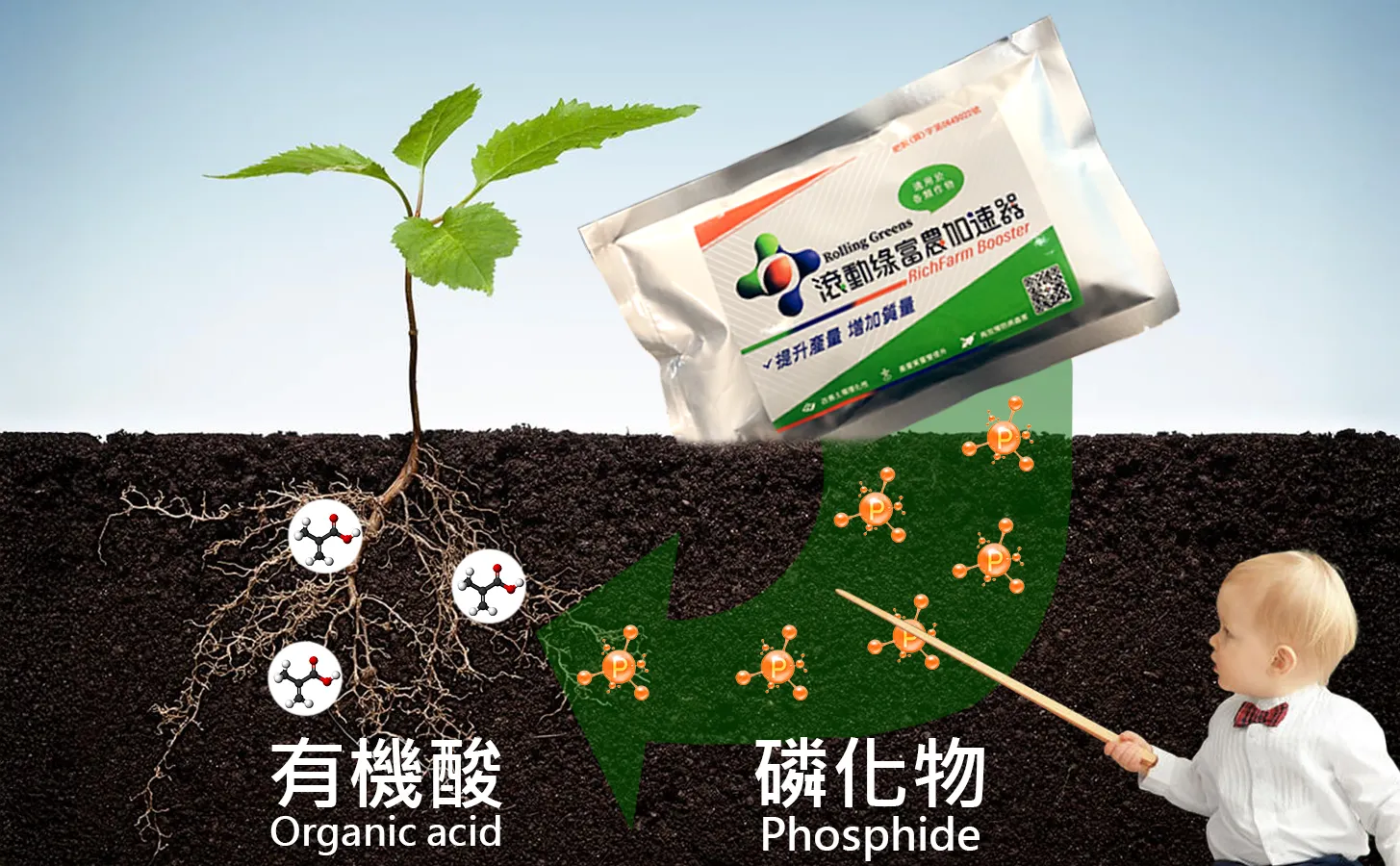
Currently, most legally registered PSB-based fertilizers primarily contain strains of Bacillus spp. When applied to soil, these phosphate-solubilizing microbes secrete organic acids, which help dissolve phosphorus compounds such as calcium phosphate, iron phosphate, and aluminum phosphate, making the phosphorus available for plant uptake. However, the solubilizing ability and the range of phosphorus compounds each PSB strain can act upon vary widely. Some strains can dissolve calcium-bound phosphorus compounds but not iron-bound phosphorus compounds, while others are capable of solubilizing a broader variety of otherwise insoluble phosphorus compounds.
 

P-3-tw


Functions of PSB

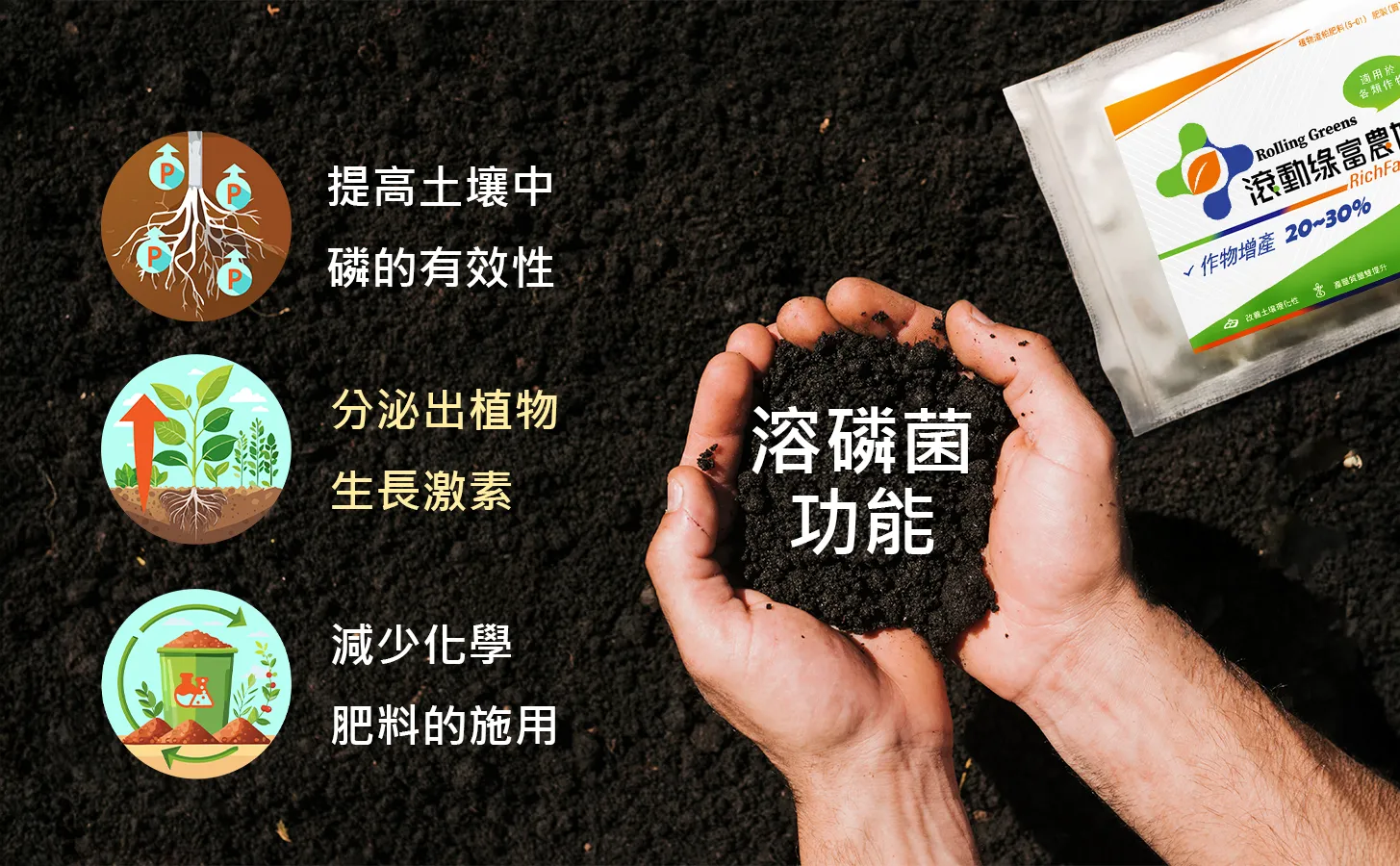
01 Enhancing Phosphorus Availability in Soil

PSB are often applied in combination with phosphate rock powder to improve phosphorus uptake and boost crop yields. Once inoculated into the soil, PSB can enhance the solubilization of phosphate rock, superphosphate, and aluminum-bound phosphate compounds, making phosphorus more available to plants.


02 Secretion of Plant Growth Hormones

In addition to increasing phosphorus availability for root absorption, PSB can secrete plant growth hormones such as indole-3-acetic acid (IAA) and naphthaleneacetic acid (NAA). These auxin-type hormones promote plant growth. Experiments with Gerbera and lilies have shown significant positive effects from PSB inoculation.


03 Reduction in Chemical Fertilizer Use

Proper use of PSB can raise the level of available phosphorus in the soil, allowing for a 30% to 50% reduction in the use of chemical phosphate fertilizers. This reduces input costs and supports more sustainable farming practices.


04 Additional Benefits

PSB also offer multiple other benefits, such as:

  • Rhizosphere protection

  • Promoting root growth and improving water and nutrient uptake

  • Extending root lifespan

  • Neutralizing or breaking down toxic substances

  • Enhancing plant resistance to diseases and drought

  • Improving transplant survival rates under stress conditions

These multifunctional properties make PSB valuable allies in sustainable and resilient agriculture.

Related information

From Indian Jujube to Romaine Lettuce: Rolling Greens Microbial Products Deliver Outstanding Results in Thailand Field Trials

NOTICE

2026-05-07

From Indian Jujube to Romaine Lettuce: Rolling Greens Microbial Products Deliver Outstanding Results in Thailand Field Trials

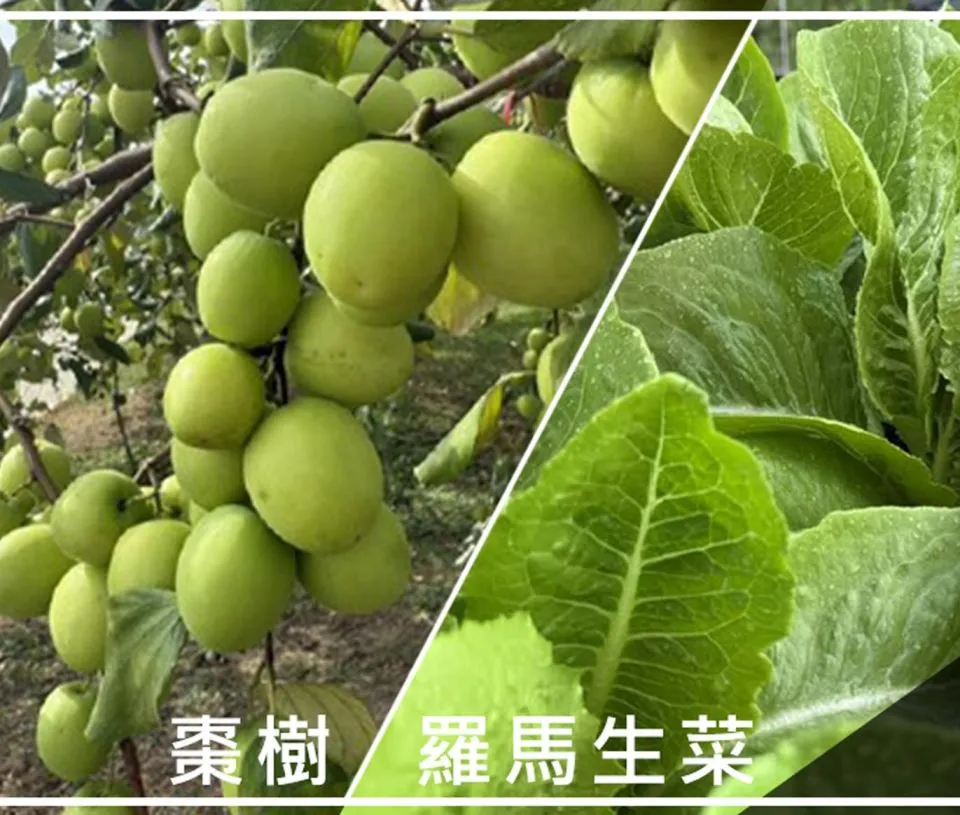
Indian Jujube Trial Results

The trial compared a “microbial product + fertilization treatment group” with an “untreated control group.” The harvest period was from December 2568 to February 2569 in the Thai Buddhist calendar.

Flowering stage: The treatment group showed larger inflorescences, stronger flower stalks, and bright green leaves, while the control group had smaller inflorescences and lighter leaf color.
Fruiting stage: The treatment group produced plump fruits with glossy green skin and no visible stem borer damage. In contrast, the control group showed yellowish fruits, higher fruit drop, and stem borer damage.
Pest and disease performance: The occurrence of anthracnose, downy mildew, mealybugs, and caterpillars was lower in the treatment group than in the control group. Even under flooding conditions, the root system remained healthy and showed no signs of severe rotting.
Romaine Lettuce Trial Results

The microbial product was applied twice, once on day 21 and once on day 35 of crop growth. The evaluation was conducted at harvest on day 42.

Conclusion

This field trial in Thailand once again demonstrates that Rolling Greens microbial products provide practical benefits in improving crop yield, enhancing quality, and reducing the occurrence of pests and diseases. Rolling Greens will continue to deepen cooperation with Thai customers and expand field trials to bring more sustainable yield-enhancing solutions to growers.

High Global Value of Corn, Yet Why Are Farming Returns Still Challenging?

NOTICE

2026-03-19

High Global Value of Corn, Yet Why Are Farming Returns Still Challenging?

High Global Value of Corn, Yet Why Are Farming Returns Still Challenging?

Corn is widely recognized as one of the world’s three major staple crops, alongside wheat and rice. However, it is rarely consumed as a primary food source.

In reality, corn is the most produced crop globally, with an annual output exceeding 1.3 billion tons. It also serves as a critical pillar in modern agriculture and industrial systems.

In China alone, annual corn production exceeds 300 million tons. Approximately 65% is used for animal feed, while nearly 30% enters deep processing industries. From meat, eggs, and dairy to starch syrups, corn oil, and bioethanol, its value chain extends far beyond direct human consumption.

2026 New Year Greetings | Rolling Greens

NOTICE

2026-02-11

2026 New Year Greetings | Rolling Greens

FOLLOW US

According to the EU's implementation of the General Data Protection Regulation (GDPR), we are committed to protecting your personal data and providing you control over your personal information.By clicking "Accept All," you allow us to place cookies to enhance your experience on this website, assist us in analyzing website performance and usage, and enable us to deliver relevant marketing content. You can manage cookie settings below. Clicking "Confirm" means you agree to the current settings.

Manage Cookies

Privacy preferences

According to the EU's implementation of the General Data Protection Regulation (GDPR), we are committed to protecting your personal data and providing you control over your personal information.By clicking "Accept All," you allow us to place cookies to enhance your experience on this website, assist us in analyzing website performance and usage, and enable us to deliver relevant marketing content. You can manage cookie settings below. Clicking "Confirm" means you agree to the current settings.

Privacy Policy

Manage preferences

Necessary cookie

Always on

The operation of the website relies on these necessary cookies, and you cannot disable them in the system. These cookies are typically set in response to actions you take, such as setting your privacy preferences, logging in, or filling out forms. You can set your browser to block or alert you about these cookies, but some parts of the website may not function properly.